icon  Government

“Where is your emergency?”

How G-NAF helps ACT Emergency Services Agency get the right resources to the right place.

When a triple zero call comes in, the first question is always the same:
where is your emergency?

ACT ESA needs to confirm the location quickly. The nature of the incident determines the response, but crews still need a precise address they can recognise and act on.

G-NAF, Australia’s national address dataset built by Geoscape, helps make that possible.

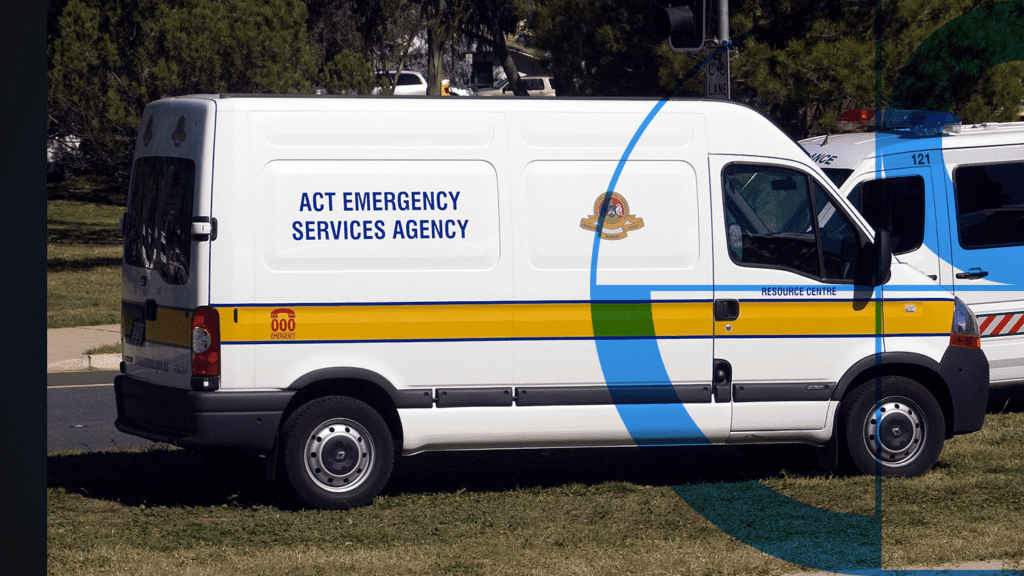
Michael Vernon, Geospatial Intelligence Officer at ACT Emergency Services Agency, manages the location data that underpins every call his agency handles.

“G-NAF is foundational. Without accurate addressing, we wouldn’t be able to get crews to the right place. When we can say the incident is at Canberra Hospital or a named street address, that is so much more recognisable and useful to the crews than a coordinate pair.” Michael Vernon, Geospatial Intelligence Officer, ACT Emergency Services Agency

G-NAF covers more than 15 million addresses across Australia, verified to a nationally consistent standard. That scale and consistency is what makes it the trusted address layer for emergency response, not just in the ACT, but across the country.

The foundation Address data is where every response begins

Operators at ACT ESA work with a location search system called the Gazetteer. It lets them confirm a precise location in real time during every call, whether the caller gives a street address or the name of a local landmark.

G-NAF is the core of that system. Its verified, geocoded addresses anchor every location confirmation in the Gazetteer. ACT ESA adds named places, business listings, landmarks and facilities on top, but every confirmed location ultimately references back to a verified address.

“The faster we can convert the information the caller is providing to a pin on the map, the sooner we can get resources dispatched.” Michael Vernon, Geospatial Intelligence Officer, ACT ESA
In practice Three situations where address data supported the response

The value of accurate addressing shows up differently across incident types. At ACT ESA, the same address foundation supports frontline response, public warnings and interstate coordination.

Bushfire

When fire moves toward the urban fringe, commanders need fast answers: which properties are in the path, which streets need warnings, how do crews reach the terrain.

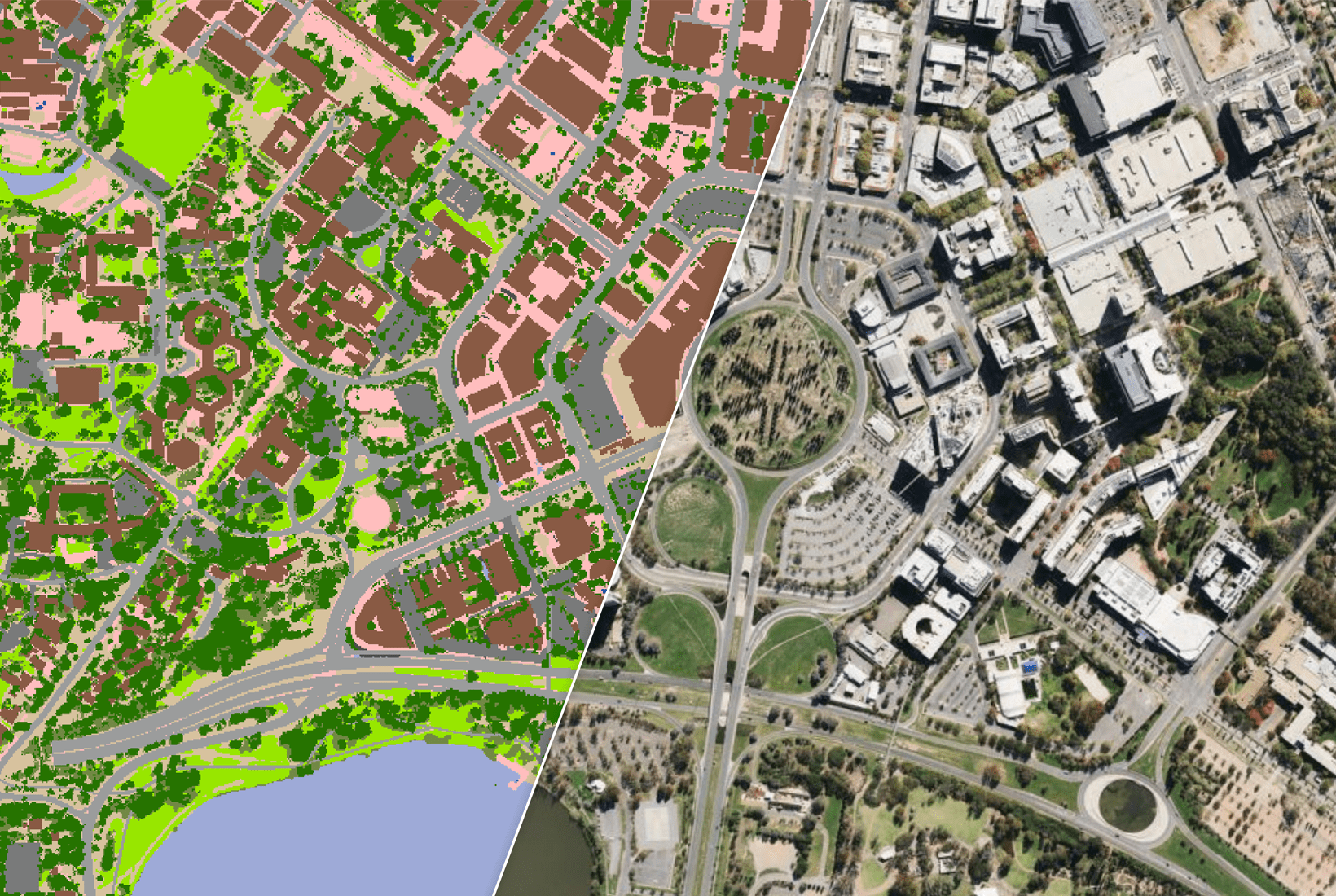
G-NAF gives ACT ESA the verified property-level data to answer all three. Teams can count dwellings in the threat zone, identify streets for public warnings, and locate crew access routes into bushland. Property-level hazard attributes, including solar panels, home batteries and gas connections, can be layered in so crews know what they are heading into before they arrive.
Flood

After Yarralumla Creek flooded on 7 February 2026, ACT ESA and SES teams documented damaged properties across the affected area. That field data only becomes useful when it can be tied to confirmed addresses and the people behind them.

G-NAF provided that link. Every damaged property matched to a verified address meant teams could connect field observations to homeowners, insurers and support services. Without that anchor, they would have had location notes with no reliable way to act on them.

Interstate deployments

When ACT crews deploy to support disaster response in New South Wales or Victoria, they need to operate in unfamiliar terrain and coordinate across jurisdictions.

Because G-NAF covers the whole country to the same verified standard, crews carry the same address foundation with them. No reconfiguration, no data gaps, no reconciling between state systems.

From call to dispatch How G-NAF gets crews to the right place
1
Confirming the location

The operator searches the Gazetteer in real time. Verified address data means they can confirm a precise location in seconds, whether the caller gives a street address or a place name. That location resolves to an exact geocoordinate on the map.

2
Dispatching resources

Once confirmed, the dispatch system determines which resources to send. The geocoordinate goes immediately to stations and responding crews, giving them a precise destination they can navigate to without delay. In an emergency, that precision matters.

Why it matters A national address foundation, built for operational reality

For ACT ESA, accurate addressing is an operational requirement. G-NAF delivers it at national scale, with the consistency and verification that emergency response demands.

From the first question a triple zero operator asks to the moment crews reach the scene, it is what connects the call to the right place.

Custom solutions

Our expert team can enhance and enrich Geoscape’s datasets to meet your organisation’s needs

Talk to us